

 Send Inquiry



 Send Inquiry
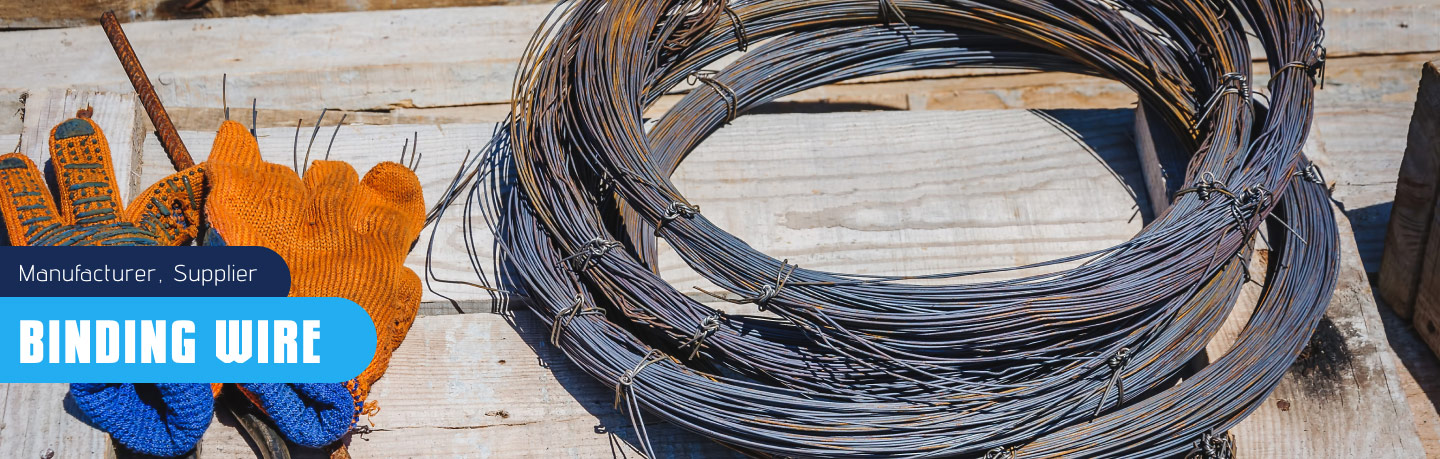
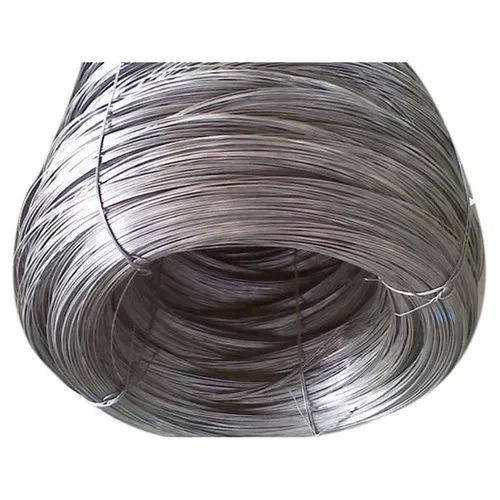
Galvanized Iron Binding Wire
Price 65 INR/ Kilograms
MOQ : 100 Kilograms
Galvanized Iron Binding Wire Specification
- No Of Core
- Single core
- Cable Length
- Custom/As required
- Conductor Type
- Solid wire
- Temperature
- Up to 430C (approx)
- Product Type
- Galvanized Iron Binding Wire
- Material
- Galvanized Iron
- Function
- Binding, fastening, reinforcement
- Usage
- Industrial
- Conductor Material
- Galvanized Iron
- Length
- Custom coil length, generally 50-100 meters per coil
- Size
- Different Size
- Color
- Black
- Diameter
- 0.5 mm - 1.6 mm
- Application
- Construction, industrial, agricultural binding
- Tensile Strength
- 350-500 N/mm2
- Zinc Coating Thickness
- 30-120 g/m2
- Rust Resistance
- High, due to zinc coating
- Magnetic Property
- Magnetic (ferrous material)
- Elongation
- 12% - 18%
- Density
- 7.85 g/cm3
- Coil Weight
- Typically 25-50 kg per coil
- Usage Area
- Masonry, tie wire, mesh weaving, scaffolding support
- Surface Finish
- Hot-dip galvanized for corrosion resistance
- Flexibility
- High, easy to twist and bend
- Packaging Type
- Coil, roll, or spool
- Standard
- IS 280 or equivalent
Galvanized Iron Binding Wire Trade Information
- Minimum Order Quantity
- 100 Kilograms
- Payment Terms
- Cash in Advance (CID)
- Supply Ability
- 5000 Kilograms Per Month
- Delivery Time
- 7-10 Days
- Main Domestic Market
- All India
About Galvanized Iron Binding Wire
Galvanized Iron Binding Wire is a type of wire commonly used in the construction industry for various purposes such as tying or binding reinforcement bars (rebar) in concrete structures. It protects the underlying iron from rust and corrosion, making the wire suitable for use in construction projects exposed to moisture and other harsh environmental conditions. The zinc coating provides the wire with increased resistance to corrosion and rust, making it suitable for use in outdoor and exposed environments. Galvanized Iron Binding Wire is often a cost-effective option for construction projects, providing a reliable and durable solution without significantly impacting the overall project budget.
Outstanding Corrosion Protection
The wire undergoes a hot-dip galvanizing process that coats it with a durable layer of zinc. This significantly enhances its resistance to rust and corrosion, making it ideal for use in harsh environmental conditions and ensuring a long service life-even in outdoor or industrial settings.
Flexible and Strong for Easy Application
With high tensile strength (350-500 N/mm2) and elongation capabilities of 12%-18%, the wire is remarkably flexible and easy to work with. It can be easily twisted, bent, or cut to desired lengths, providing reliable strength for binding and reinforcement in construction, agriculture, and industrial projects.
Versatile Industrial Uses
Galvanized Iron Binding Wire is widely used in masonry, mesh weaving, scaffolding supports, and as tie wire in various settings. Its magnetic properties and high-temperature tolerance (up to 430C) make it suitable for a range of applications where secure fastening and reinforcement are vital.
FAQ's of Galvanized Iron Binding Wire:
Q: How is the galvanized iron binding wire protected from rust and corrosion?
A: The wire is hot-dip galvanized, meaning it is coated with a substantial layer of zinc (30-120 g/m2) that acts as a barrier against moisture and oxidation, significantly increasing its resistance to rust and corrosion even in demanding environments.Q: What are the main applications of this binding wire?
A: This binding wire is predominantly used for construction, industrial, and agricultural binding tasks such as masonry, tie wire, mesh weaving, and providing support in scaffolding. Its flexibility and durability make it well-suited for fastening and reinforcement tasks.Q: When should I use galvanized iron binding wire instead of ordinary iron wire?
A: You should use galvanized iron binding wire when you require enhanced durability, corrosion resistance, and flexibility. Its zinc coating ensures a much longer lifespan in outdoor and humid conditions compared to ordinary iron wire, making it ideal for projects demanding robust performance.Q: Where can I use this binding wire effectively?
A: This wire is suitable for both indoor and outdoor projects, including construction sites, industrial assemblies, landscaping, mesh making, and agricultural use, where high strength and rust resistance are essential.Q: What is the process behind hot-dip galvanizing for this binding wire?
A: Hot-dip galvanizing involves immersing the iron wire in molten zinc to form a continuous, protective coating over the surface. This zinc layer shields the wire from corrosive agents, enhancing its structural integrity and rust resistance.Q: What are the benefits of using galvanized iron binding wire for binding and fastening purposes?
A: Using this wire delivers multiple advantages: high rust resistance, strong tensile strength (350-500 N/mm2), flexibility for easy handling, and long-term performance even in harsh environments, ensuring dependable binding, fastening, and reinforcement.Q: How should I select the appropriate size and packaging for my project?
A: Choose wire diameter (0.5 mm - 1.6 mm), coil weight (25-50 kg), and packaging style (coil, roll, or spool) based on your specific application and volume needs. Custom coil lengths are available to meet project requirements, ensuring efficient usage and minimal waste.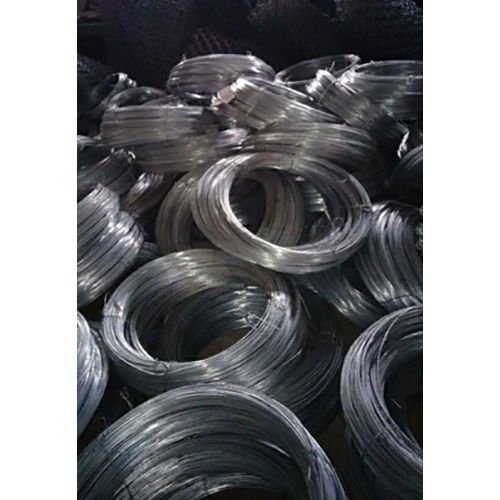
Tell us about your requirement

Price:
Quantity
Select Unit
- 50
- 100
- 200
- 250
- 500
- 1000+
Additional detail
Mobile number
Email

More Products in Binding Wire Category
Stainless Steel Fine Wire
Price 40 INR / Square Foot
Minimum Order Quantity : 100 Square Foots
Conductor Material : Stainless Steel
Diameter : Ranges from microns to millimeters
Size : Different Size
Temperature : Up to 900C (depending on stainless steel grade)
Galvanized Wire
Price 65 INR / Kilograms
Minimum Order Quantity : 100 Kilograms
Conductor Material : Steel
Diameter : Typically 1 mm 5 mm
Size : Different Size
Temperature : Withstands typical outdoor environmental temperatures
Stainless Steel Binding Wire
Price 110 INR / Kilograms
Minimum Order Quantity : 100 Kilograms
Conductor Material : Stainless Steel
Diameter : Ranges from 0.5mm to 5mm (customizable)
Size : Different Size
Temperature : Up to 800C (Approx)

Barbed Wire Fencing
Price 110 INR / Kilograms
Minimum Order Quantity : 100 Kilograms
Conductor Material : Iron/Steel
Diameter : Wire: 2.5 mm (commonly used)
Size : Different Size
Temperature : Suitable for outdoor weather conditions

Contact Details

- Ward No-5, Banjari Mata Ward, Bhanpuri, Station Road, Machinery Market, Raipur,Raipur - 492001, Chhattisgarh, India
- Phone : 08071779965
Hira Wire Netting Industries
GST : 22CIAPS5361N1ZZ
GST : 22CIAPS5361N1ZZ

- Mr Satish (Proprietor)
- Mobile : 08071779965
-
 hirawirenetting2016@gmail.com

 Send Inquiry
 Send SMS
HIRA WIRE NETTING INDUSTRIES
All Rights Reserved.(Terms of Use)
Developed and Managed by Infocom Network Private Limited.
Developed and Managed by Infocom Network Private Limited.

